With this issue we will conclude the first part of Pāṭa patha, The jute path and continue our journey along the trail of jute to reflect on the source of the fibre that our feet enjoy so much.

With this issue we will conclude the first part of Pāṭa patha, The jute path and continue our journey along the trail of jute to reflect on the source of the fibre that our feet enjoy so much. We’ll visit a factory that suffered the consequences of a shift in the market caused by the introduction of synthetic fabric sacks. This material made of plastic fibres replaced most of the jute used in sacks production, resulting in serious consequences, not only for the environment—those were big enough—but also economic, striking on a population that depended on the jute industry.

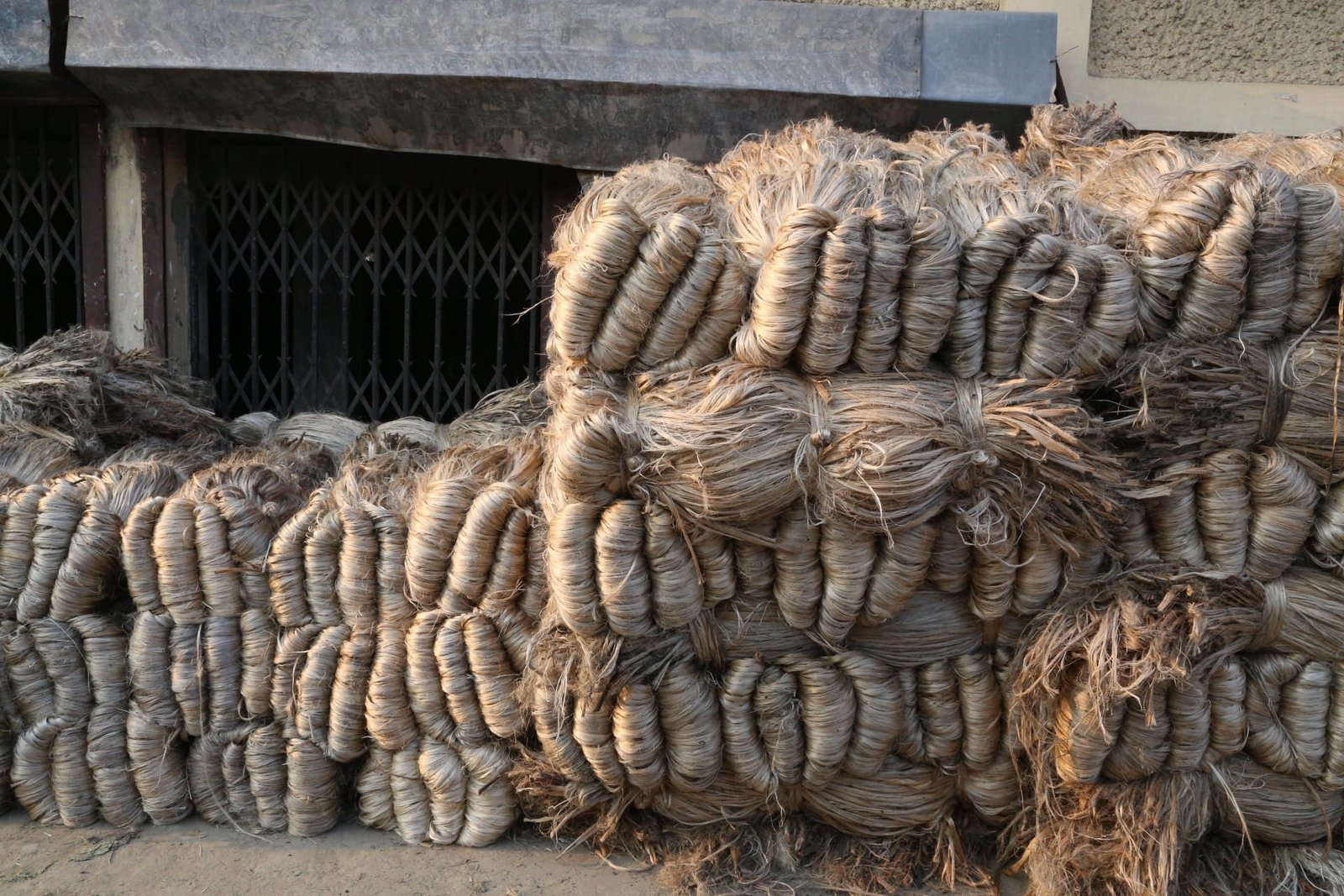
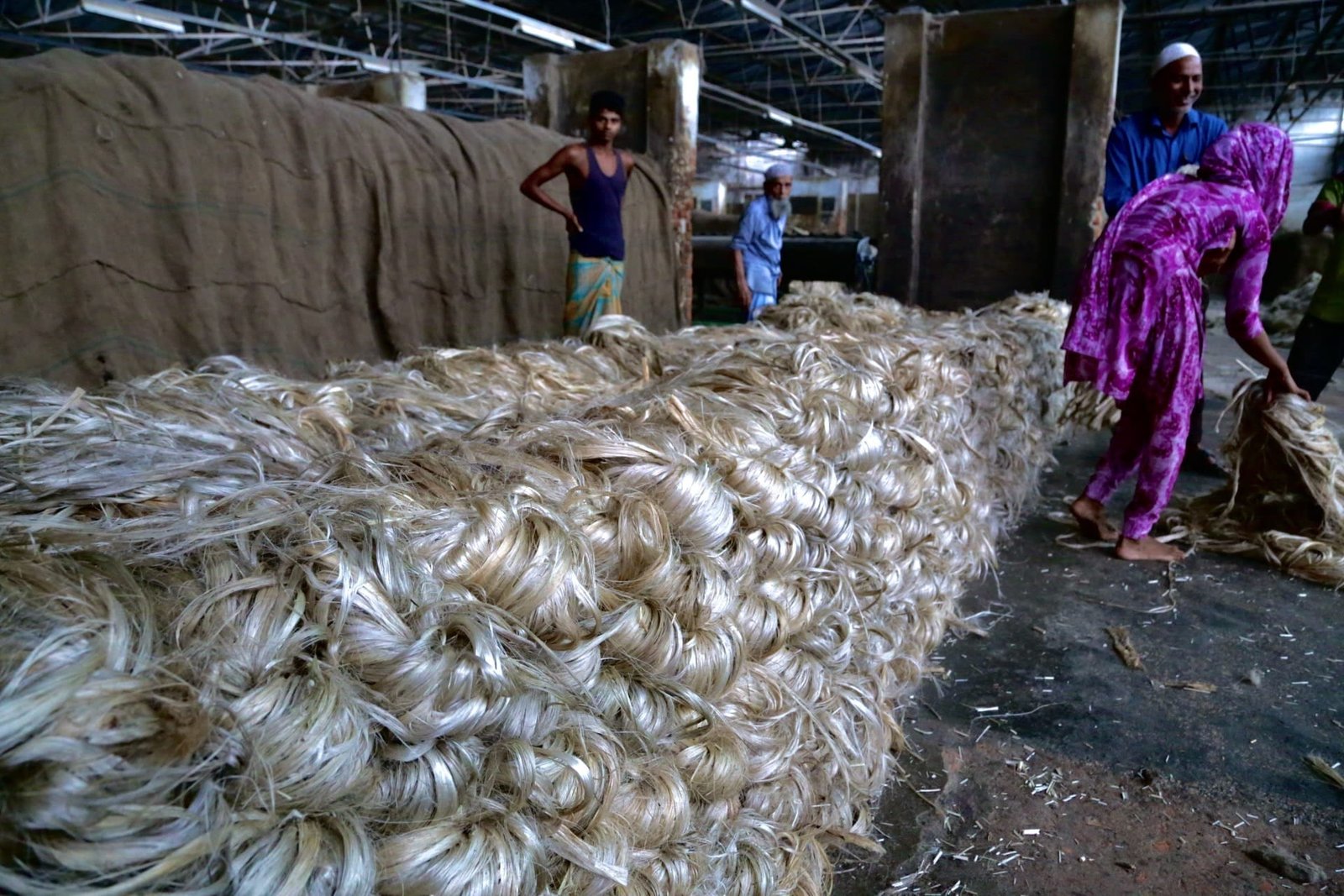
Once dried, the raw and unprocessed jute fibres are arranged in bundles (just like we saw in the previous issues) and sold in order to be transformed into a usable format for the rest of the industries. Experts value the quality of jute touching the fibres and according to its colour and brightness. As soon as it has been determined, they negotiate the price and make the purchase. Usually, the buyers work for different jute sectors and most of them are focused on spinning it into thread and selling it to national or international buyers, which in turn, will take the next step on this long jute path.

This time, we went to a big processing factory that made fabric for sacks. Its production had been severely cut back due to a drop in demand and only a part of the plant was still in use.

Chandpur, Chittagong

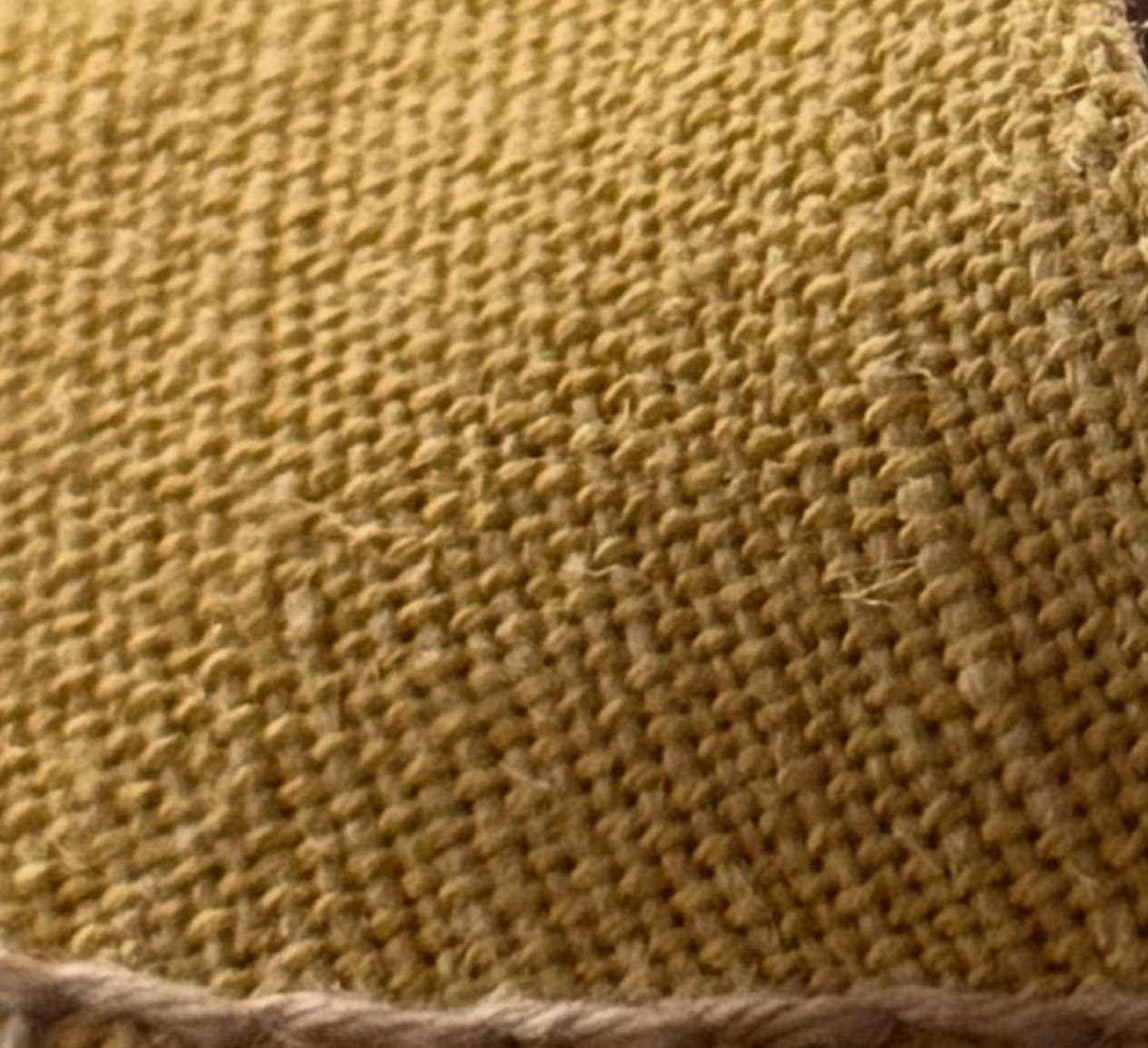
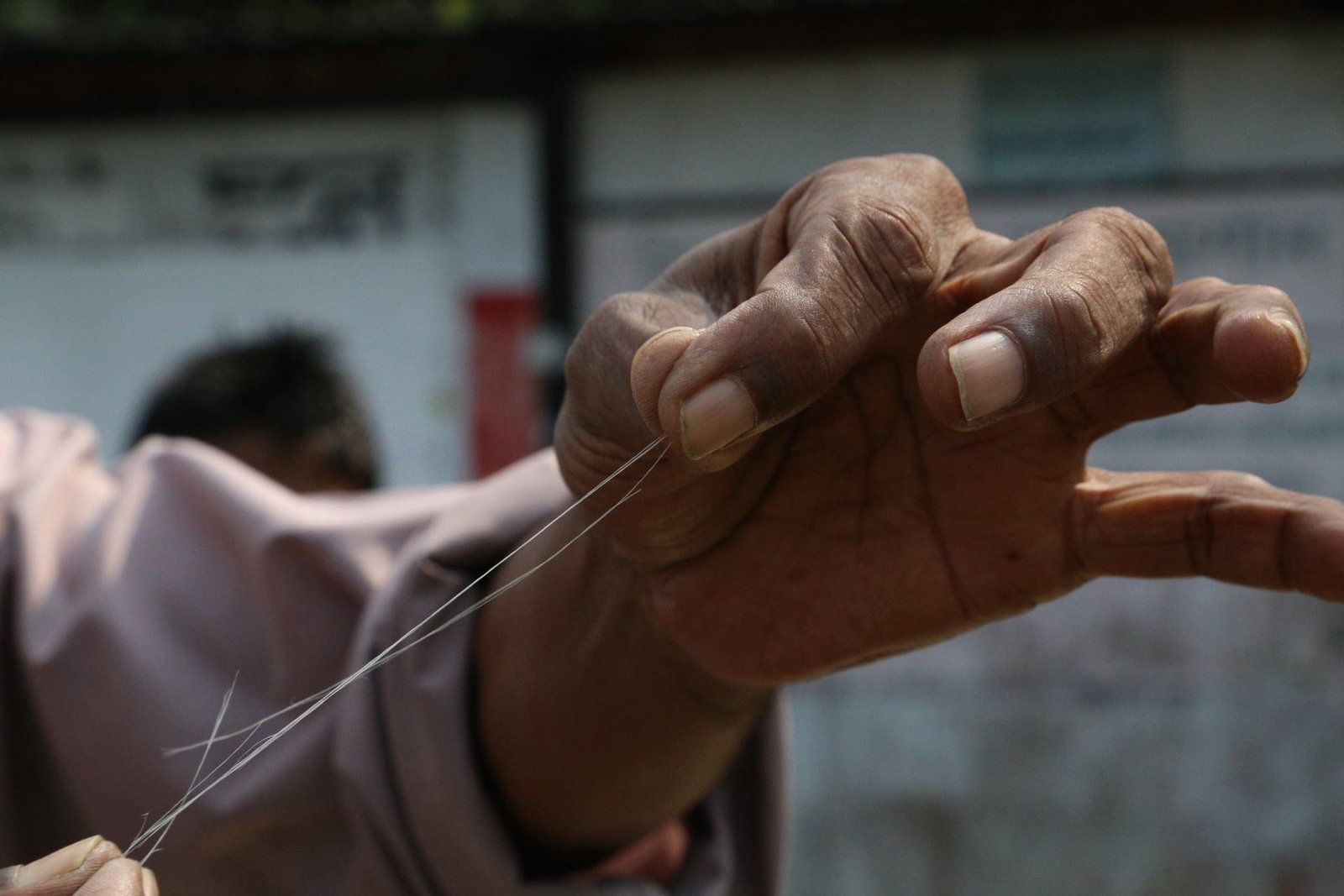
The raw fibre bundles reach the factory and get crushed and cleaned in order to remove any impurities. These actions are carried on until the fibre is apt to be spun into thread, which is then winded up on reels and set ready to be used, in this occasion to manufacture sackcloth.
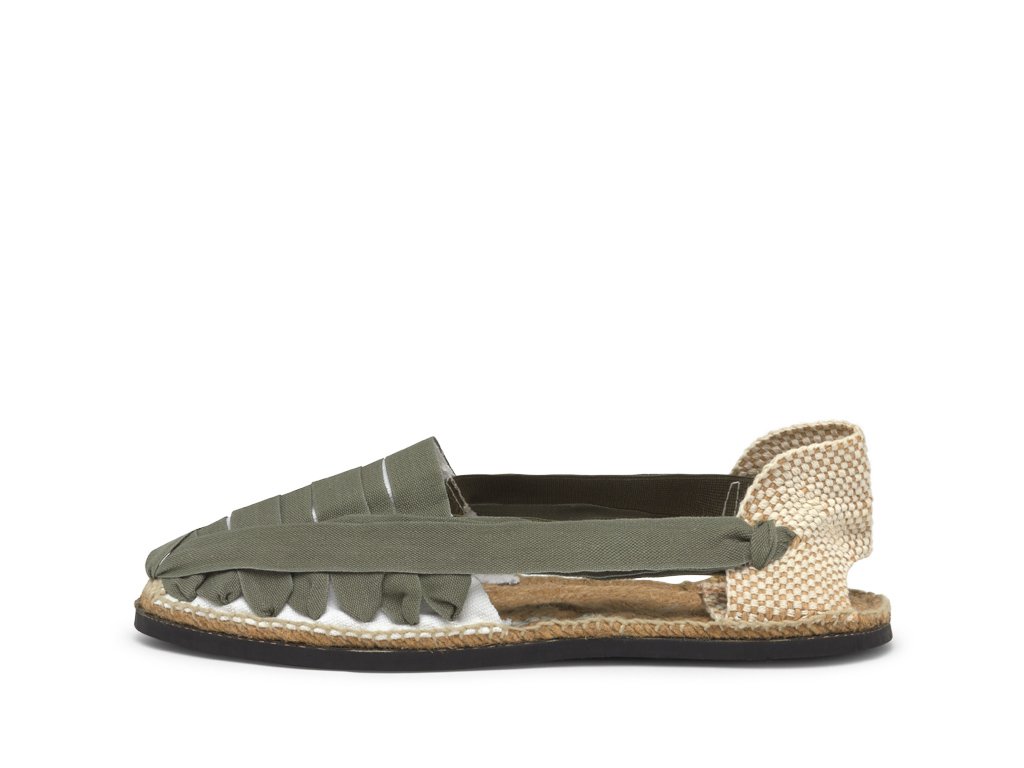
With these pictures, I would like to draw the attention of the reader to the benefits of using jute—to make espadrilles, in our case—especially for this population who saw their main resource at risk. Those factories with several hundreds of square meters packed with abandoned machinery reveal a situation that has been partially reversed thanks to the jute thread that’s being sold to produce espadrille soles. It’s satisfying to know that in addition to providing comfort and style, using espadrilles is an act of solidarity, because it helps to compensate for those losses that originated during the replacement of jute sacks by those of synthetic fabric. As we mentioned in previous issues, we should bear in mind that in Bangladesh and other regions, jute is the only cultivating option throughout the months between the rice harvest and the next rice sowing time.

In the near future we’ll be back with the second part of The jute path. Since these reports are still in the oven, I would appreciate your comments and suggestions about the three issues you’ve read so far; this way I’ll be able to take them into consideration on time. I have limited the amount of pictures, therefore, if you think there are too many or if you liked them and wish to see more of them, if you missed some information (or thought it wasn’t necessary), please tell us about it, our aim is always to improve.

Meanwhile, we’ll try to keep on with the blog and talk about subjects that you may like and/or be interested in, mostly related to espadrilles, handicraft, our surroundings or about us.

See you soon!

Kaki
Negro

Alpargata tradicional unisex Pinxo elástico

60,00 
Seleccionar opciones Este producto tiene múltiples variantes. Las opciones se pueden elegir en la página de producto
Crudo

Alpargata de mujer con cuña Port

70,00 
Seleccionar opciones Este producto tiene múltiples variantes. Las opciones se pueden elegir en la página de producto
Ante arena
Ante Cuero

Babucha Piel

69,00 
Seleccionar opciones Este producto tiene múltiples variantes. Las opciones se pueden elegir en la página de producto
Ante arena

Babucha Piel inverna

89,00 
Seleccionar opciones Este producto tiene múltiples variantes. Las opciones se pueden elegir en la página de producto
Ante Cuero

Alpargata para mujer Montseny

98,00 
Seleccionar opciones Este producto tiene múltiples variantes. Las opciones se pueden elegir en la página de producto
Lino Caldera
Color Lino Ike Lino Ike
Lino color Indigo del Modelo Mundet de La Manual Alpargatera Lino Indigo
Lino Marino
Color Lino Marrón Modelo Mundet de La Manual Alpargatera Lino Marrón
Lino Natural
+2
Lino Negro
Color Lino Platano Lino Plátano

Alpargata para mujer Vallvidriera

55,00 
Seleccionar opciones Este producto tiene múltiples variantes. Las opciones se pueden elegir en la página de producto
Ante arena
Ante Cuero
Ante Kaki

Alpargata para mujer de ante Marina

98,00 
Seleccionar opciones Este producto tiene múltiples variantes. Las opciones se pueden elegir en la página de producto
Lino Caldera
Lino Natural

Alpargata para mujer Mundet

68,00 
Seleccionar opciones Este producto tiene múltiples variantes. Las opciones se pueden elegir en la página de producto